I attended the stage production of The Butterfly Lovers, starring JessC and Paul Lee as Zhu Yingtai and Liang Shanbo, expecting it to follow the classic storyline of the famous Liang Shanbo and Zhu Yingtai films I watched many times in my younger days, particularly the iconic versions starring Ling Bo and Betty Loh Ti with their beautiful Huangmei opera melodies.
However, after watching the performance, I realised this was a stage production filled with a strong contemporary spirit. From the costumes, props, stage design, and music to the performances of the actors, everything felt refreshing, emotionally powerful, and deeply moving.
Music producer John Lee specially composed the theme song Detour for The Butterfly Lovers, perfectly capturing the tragic yet unwavering love story between Liang Shanbo and Zhu Yingtai. The insert songs Encounter and Promise Me further expressed the sincere emotions shared between the two characters through modern-style musical arrangements.
This made the experience completely different from the classic 1960s Liang Zhu films I once watched, where Ling Bo famously sang Huangmei opera classics such as Smiling Distant Mountains and the memorable “Sworn Brotherhood at the Grass Bridge” scene that introduced the timeless romance.
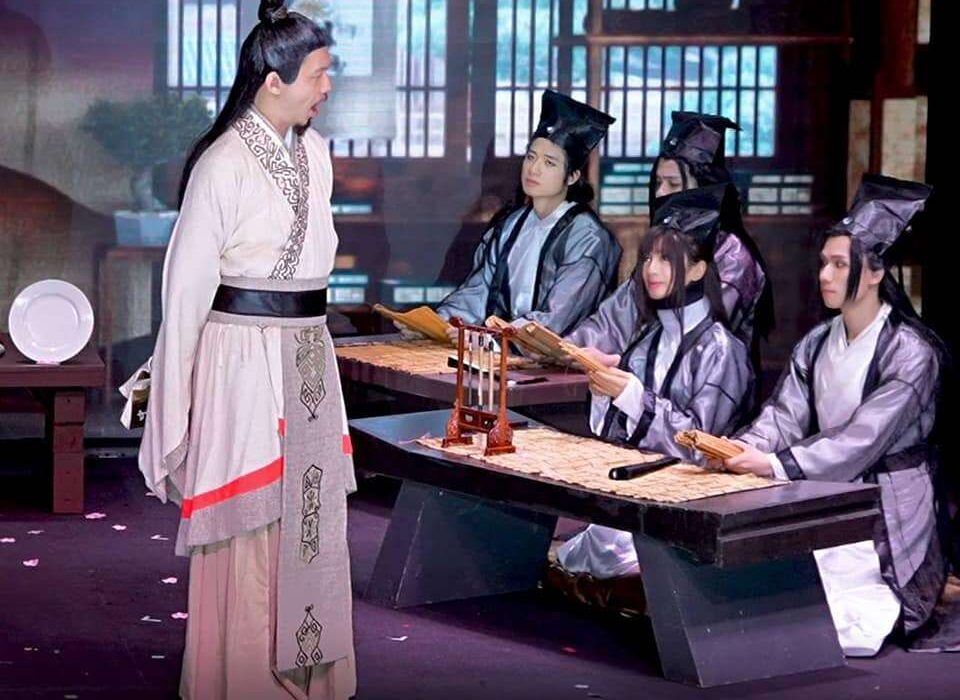
Although the storyline has been adapted and presented through a modern theatrical approach, the production successfully created an incredibly authentic atmosphere for audiences. The realistic sound effects, beautifully crafted traditional props, and elegant ancient costumes all added depth to the experience. Even the kissing scenes between the two leads were performed with sincere emotional intensity, making the romance feel genuine and heartfelt.
Immersive LED Visuals and Emotional Realism
One particularly memorable scene showed Liang Shanbo being brutally beaten by Zhu Yingtai’s brother. The realism of the performance allowed the audience to genuinely feel Liang Shanbo’s pain and suffering.
The LED stage visuals blended seamlessly with the live scenes, enhancing the realism and emotional immersion of the production. During one snowfall sequence, I truly felt as though I were standing within the freezing winter environment myself — the atmosphere was so convincing that I could almost feel the cold wind against my body.
The cast members, many of whom appeared professionally trained or deeply passionate about theatre, gave highly committed performances throughout the production. The two lead actors, in particular, stood out for their emotional intensity.
JessC, who portrayed Zhu Yingtai, was especially captivating during the heartbreaking farewell and separation scenes with Paul Lee’s Liang Shanbo. Her eyes became visibly swollen from crying, and her emotionally charged performance moved many audience members to tears as well.
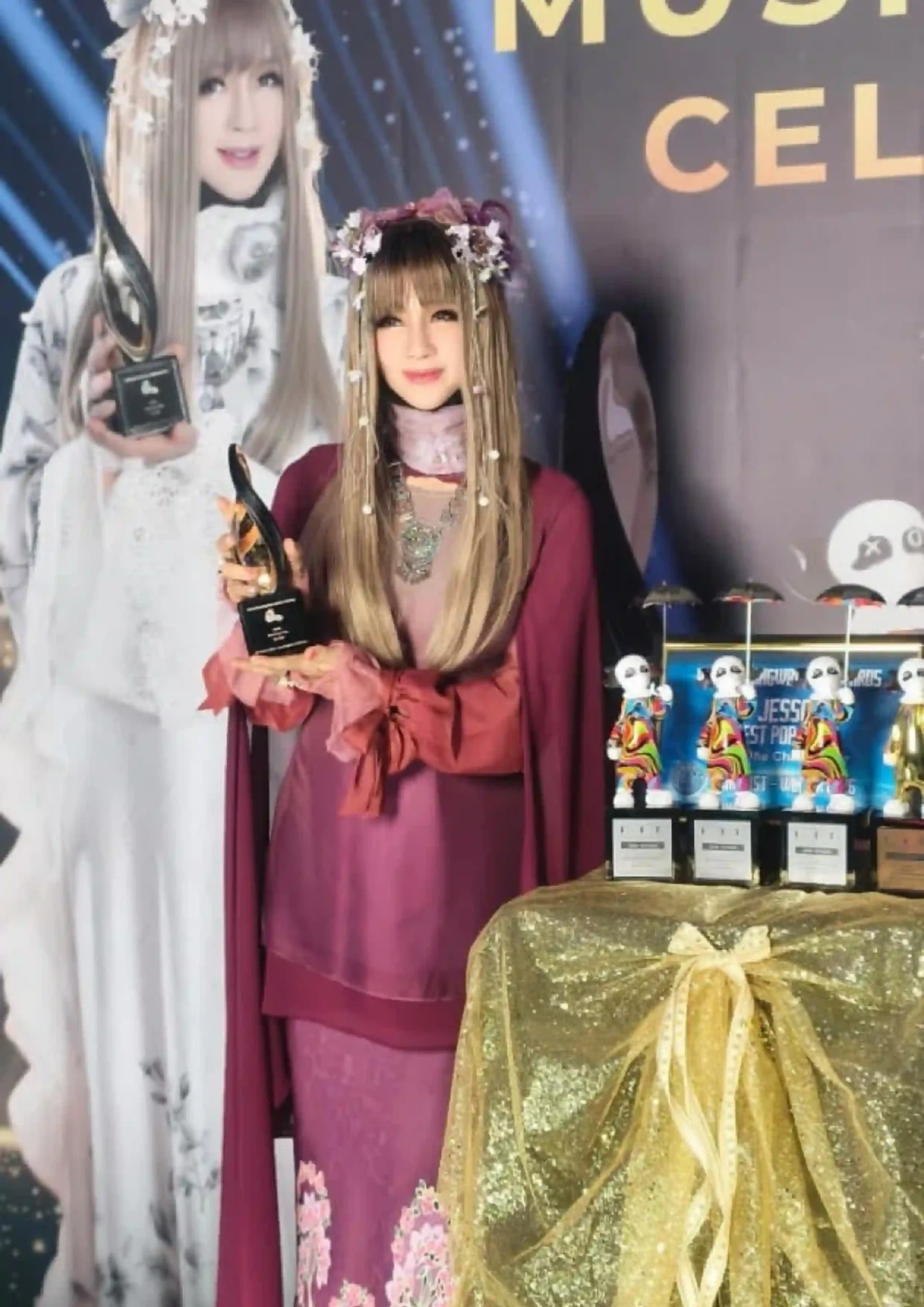
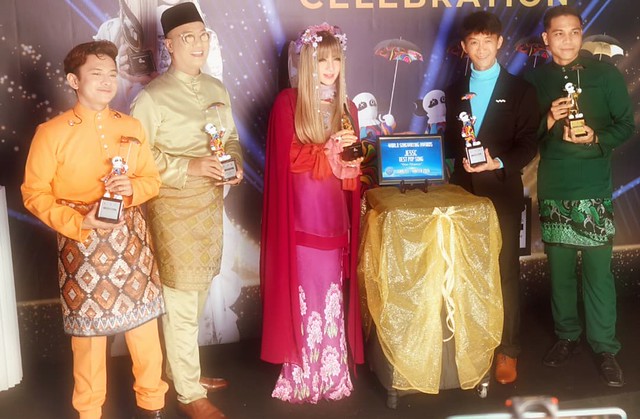
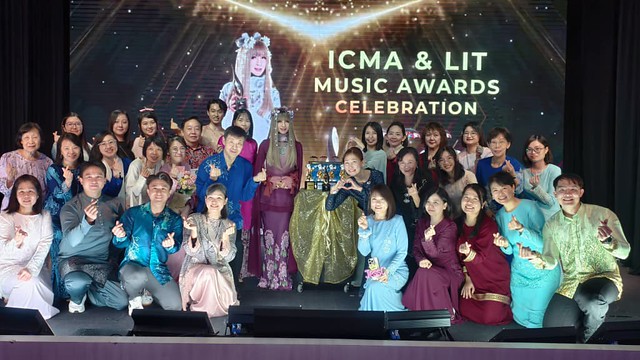
At the end of the performance, one of the directors, Brian Choot, invited the audience onstage to take photographs with the cast. While standing nearby, I quietly noticed JessC’s eyes — they were indeed swollen from crying. It was clear that her performance came from genuine emotional investment and complete dedication to the role.
Throughout the uninterrupted three-hour performance, JessC continuously shifted between grief, despair, heartbreak, and emotional anguish. In scene after scene, she cried intensely, to the point where both tears and emotions completely overwhelmed her. By the final sequences — where Zhu Yingtai desperately sought to see Liang Shanbo, learned of his death, and mourned at his grave — JessC’s performance had become utterly devastating. The audience, deeply affected by her emotions, could be heard sobbing throughout the theatre.
A Fusion of Chinese Cultural Elements
Another notable aspect of the production was the inclusion of various traditional Chinese cultural performances within the academy scenes, including Sichuan face-changing opera, Peking Opera, Chinese martial arts, and even references to the paintings of Qi Baishi.
Clearly, the producers intended to use the stage production as a platform to promote and preserve Chinese cultural heritage.
Historically speaking, some of these cultural elements do not technically belong to the Eastern Jin Dynasty period in which the Liang Zhu story is set. However, I believe this artistic choice was harmless. Only viewers deeply familiar with Chinese dynasties and historical timelines would likely notice the inconsistency.
Ultimately, the true purpose of including these elements was to celebrate and introduce the richness of Chinese culture through entertainment — and in that regard, the production succeeded beautifully.
Source: Sin Chew Daily